From Wrist to Waiting Room-Free: How Wearable Data Is Reshaping the Virtual Consultation
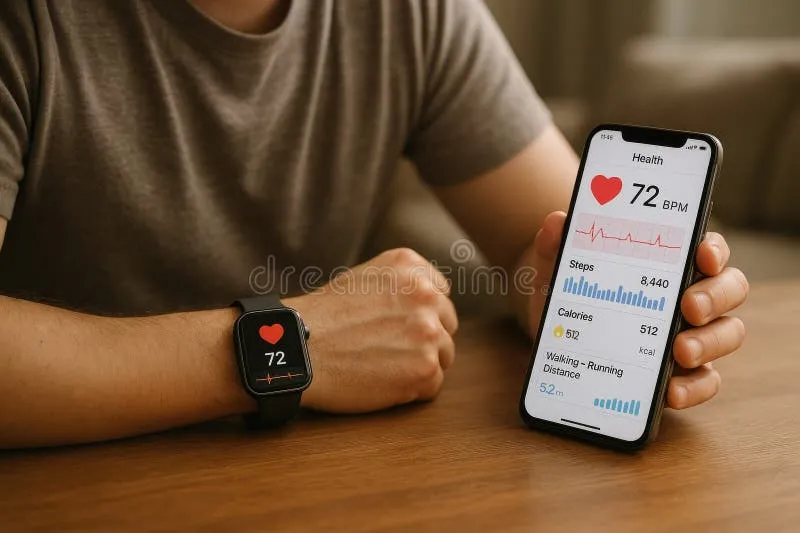
Photo: person checking smartwatch heart rate health data at home, via thumbs.dreamstime.com
A decade ago, a patient showing up to a doctor's appointment with a printout of their own heart rate data might have been politely humored. Today, that same data — streamed from a device on the wrist — can shape a diagnosis, justify a prescription adjustment, or trigger an urgent referral. As telemedicine matures, wearable-powered virtual care is moving from novelty to necessity.
What Your Devices Are Actually Collecting
Modern consumer health devices track far more than step counts. Depending on the model, a smartwatch or fitness band may capture:
- Heart rate and heart rhythm, including irregular-rhythm notifications that can flag atrial fibrillation
- Sleep stages and duration, offering a window into insomnia, sleep apnea risk, and recovery
- Blood pressure and blood oxygen readings, particularly on devices with FDA-cleared sensors
- Activity trends, from exercise minutes to sedentary time
For an online physician, this continuous stream fills one of telemedicine's biggest gaps: the inability to lay hands on a patient. Objective data replaces some of what a stethoscope and a blood pressure cuff would otherwise provide.
Which Numbers Physicians Take Seriously — and Which They Skip
Not all wearable data carries equal clinical weight. In a typical virtual consultation, physicians tend to prioritize:
- Rhythm alerts and ECG recordings. A smartwatch ECG showing an irregular rhythm during symptoms is genuinely actionable. It can accelerate a cardiology referral that might otherwise take weeks.
- Home blood pressure logs. Serial readings over days or weeks are far more reliable than a single office measurement, which is often inflated by white-coat anxiety.
- Sleep duration and patterns. Consistently short or fragmented sleep informs conversations about fatigue, weight, blood sugar, and mood.
Where physicians are more skeptical: calorie burn estimates, stress scores, and hydration tracking. These metrics rest on algorithms that vary widely between manufacturers and have limited validation. A responsible online doctor will treat them as conversation starters, not diagnostic evidence.
Is Your Device Worth the Investment?
For most Americans managing chronic conditions — hypertension, atrial fibrillation risk, diabetes, sleep disorders — a mid-range wearable with validated sensors delivers real value. Devices with FDA-cleared ECG functionality and accurate photoplethysmography (the optical sensor that measures pulse) justify their price. Features like onboard GPS or fashion-forward design, meanwhile, add nothing to a telemedicine visit.
Patients should remember the fundamentals: consistency matters more than sophistication. A modest tracker worn every day outperforms a premium device worn occasionally.
The Privacy Trade-Off
Syncing health data with a telemedicine platform is not without consequence. Under the Health Insurance Portability and Accountability Act (HIPAA), data shared directly with a licensed physician's practice is protected. But data held by the device manufacturer, its app, or third-party analytics partners may fall outside HIPAA's reach entirely.
Before connecting a wearable to any platform, patients should:
- Review the platform's privacy policy for data-sharing and retention language
- Check whether the wearable's companion app sells or shares data with advertisers
- Disable optional features like location sharing that add risk without clinical benefit
- Ask the telemedicine provider how long shared device data is stored and who can access it
The calculus is personal. For a patient with an arrhythmia, the benefits of shared rhythm data are clear. For a healthy twenty-something tracking workouts, the case is weaker.
A New Kind of Patient-Physician Partnership
The most meaningful shift may be cultural rather than technological. Wearables invite patients into their own care in a way passive office visits never did. When a patient arrives at a virtual appointment able to say, "My resting heart rate climbed 10 beats over two weeks and my sleep has collapsed," the physician's job changes — from interrogating memory to interpreting evidence.
At Doctor7 Online, physicians increasingly build wearable data into follow-up care for hypertension, cardiac monitoring, and sleep concerns. Used thoughtfully, the device on your wrist becomes more than a fitness gadget. It becomes a bridge between the life you live and the care you receive — no waiting room required.