The Waiting Room Was Never the Point: How Virtual Visits Are Rescuing Primary Care
Photo: Shixart1985, CC BY 2.0, via Wikimedia Commons
When telemedicine went mainstream in 2020, the obituaries for the doctor's office wrote themselves. Why drive to a clinic, the argument went, when a physician can see you through a screen? Five years later, the reality is more interesting — and far more encouraging. Virtual visits did not kill in-person medicine. They are saving it.
The Crisis Nobody Solved
American primary care has been running on fumes for years. The Association of American Medical Colleges projects a shortage of tens of thousands of primary care physicians by the mid-2030s, concentrated precisely in the family medicine and internal medicine specialties that anchor the system. Meanwhile, the physicians still in practice face appointment panels so compressed that a routine follow-up competes with acute sick visits for the same fifteen-minute slot.
The result is well documented: patients who wait weeks for appointments, skip follow-ups because taking half a day off work feels impossible, and quietly fall out of care altogether. Chronic conditions — the slow-burning illnesses that drive most American healthcare spending — are managed in exactly these follow-up visits. When patients can't get them, everyone loses.
What Virtual Visits Actually Fixed
The genius of telemedicine was never convenience for its own sake. It was triage and capacity.
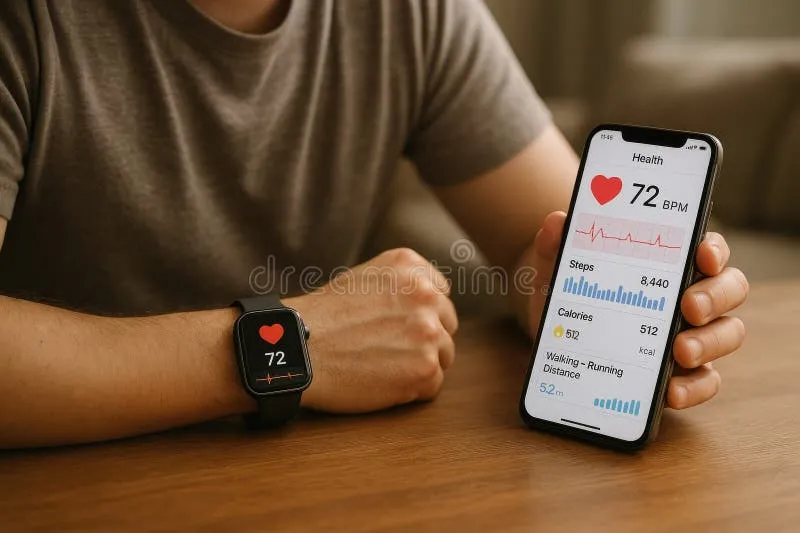
A large share of primary care encounters simply don't require a physical exam: medication refills, lab result reviews, blood pressure check-ins, mental health counseling, post-hospital follow-ups, and the endless "is this normal?" questions that patients previously deferred until something went wrong. Moving these encounters online frees something precious and scarce — physical appointment slots — for patients who genuinely need hands-on care.
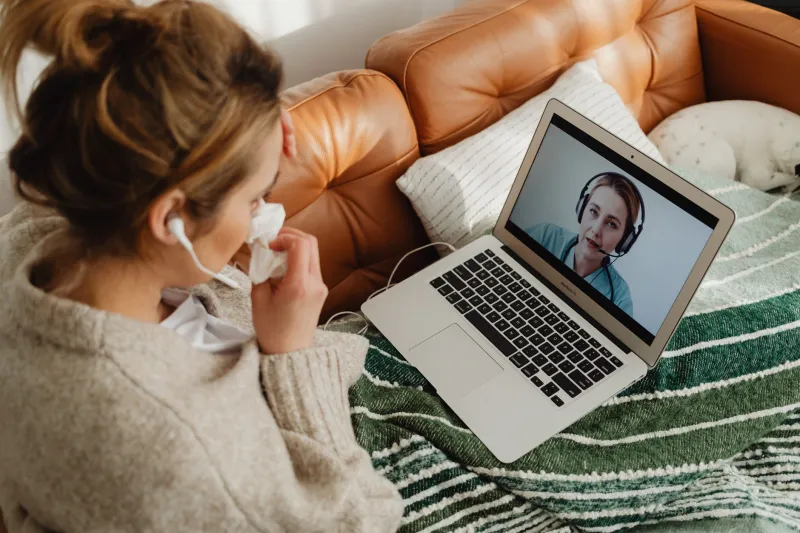
Consider what this looks like in practice. A diabetic patient's quarterly review happens by video, with glucose logs shared beforehand. A post-discharge check-in two days after hospitalization — the visit most likely to prevent a readmission — becomes feasible for both patient and physician. A worried parent's 9 p.m. question gets answered before it becomes a 2 a.m. emergency room bill.
The Hybrid Model Is Already Winning
This is not a forecast; it is the observed trend. Health systems and independent practices alike have settled into hybrid models — virtual for continuity and triage, in-person for exams and procedures. Surveys of physician practice patterns since the pandemic consistently show a durable share of visits remaining virtual, not because patients demanded it, but because physicians found it made their panels manageable.
The economics support it too. A physician who can conduct a fifteen-minute follow-up without the overhead of room turnover can see more patients, take more time with complex cases, and — critically — stay in primary care instead of burning out and leaving for specialty work. In a profession hemorrhaging clinicians, that is not a convenience feature. It is a survival mechanism.
The Case, Stated Plainly
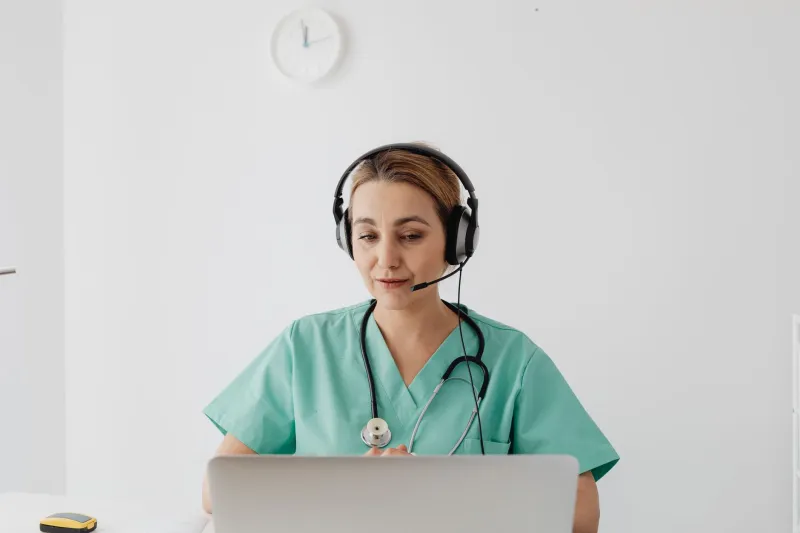
So yes, this is an opinion: telemedicine's greatest contribution to American healthcare is not that patients can see a doctor in pajamas. It is that primary care physicians can finally practice medicine at a sustainable pace. The virtual visit is the pressure valve that keeps the entire system from rupturing.
The doctor's office of the future will not look like the waiting rooms of the past. It will be a screen in your pocket for the routine, and a clinic room reserved for what truly requires it. That is not the death of primary care. It is primary care, finally built to last.
Patients ready to experience that model — licensed physicians, real continuity of care, no waiting room — can start with a single virtual consultation and see the difference for themselves.