More Than a Sore Throat: Everyday Conditions Your Licensed Physician Can Treat From Your Living Room

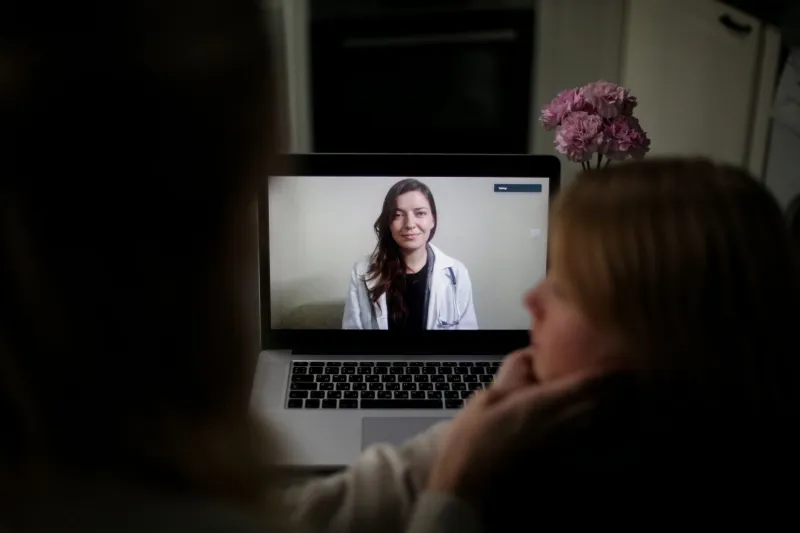
For many patients, the mental image of a doctor's visit still involves a waiting room, a paper gown, and a blood pressure cuff. But the reality of modern telemedicine is broader than most people realize. Licensed physicians conducting virtual consultations through platforms like Doctor7 Online routinely diagnose and manage a wide range of conditions—some of which might surprise you.
Below is a practical walkthrough of ten conditions that can often be evaluated entirely online, along with what you should have ready and when an in-person visit becomes necessary.
1. Urinary Tract Infections
UTIs are among the most common reasons women seek urgent care, and they are also among the easiest to address virtually. A physician can typically make a confident diagnosis based on your description of symptoms—burning with urination, urgency, and frequency—especially if you've had a UTI before.
What helps: Note when symptoms began and whether you've had similar infections previously. Be prepared to discuss any medication allergies.
When to be seen: Fever, flank pain, or vomiting may signal a kidney infection, which requires in-person evaluation and possibly lab work.
2. Skin Rashes, Bites, and Minor Irritations
Dermatology was arguably telemedicine's first natural fit. High-resolution smartphone cameras allow a physician to inspect rashes, hives, poison ivy reactions, insect bites, and minor infections with remarkable clarity.
What helps: Take photos in bright, indirect light before your appointment—including a close-up and a wider shot showing the rash's location on your body.
When to be seen: Rapidly spreading redness, blistering, or a rash accompanied by fever warrants a hands-on exam.
3. Seasonal Allergies and Sinus Infections
Upper respiratory complaints are a telemedicine staple. A physician can distinguish between allergic rhinitis and a bacterial sinus infection by asking about symptom duration, facial pressure, and discharge color, then prescribe antihistamines or antibiotics when appropriate.
What helps: Track how many days you've been symptomatic and whether over-the-counter remedies have helped.
4. Acid Reflux and Heartburn
Gastroesophageal reflux is a condition built for virtual care: diagnosis relies heavily on history rather than physical examination. Physicians can recommend lifestyle changes, prescribe acid-reducing medication, and identify red flags that suggest something requiring endoscopy.
When to be seen: Difficulty swallowing, unexplained weight loss, or persistent vomiting should prompt an in-person workup.
5. Anxiety and Depression
Behavioral health has become one of telemedicine's fastest-growing segments. Research consistently shows that therapeutic rapport translates well through video, and many patients feel more comfortable discussing mental health from their own homes.
What helps: Come prepared to discuss sleep patterns, mood changes, and any current medications. Standardized screening questions are often used during the visit.
When to be seen: Thoughts of self-harm require immediate crisis support—call or text 988 in the US.
6. Prescription Refills for Stable, Ongoing Conditions
If your blood pressure, cholesterol, or thyroid medication needs renewing and your condition is stable, a virtual visit can often handle it—provided you've had appropriate recent monitoring.
What helps: If you own a home blood pressure cuff or glucometer, have recent readings available. This data meaningfully strengthens the clinical picture.
7. Birth Control and Sexual Health
Contraceptive counseling, refills for oral contraceptives, and treatment for certain infections can all be managed online. Many virtual physicians can also order lab tests at local draw sites when screening is needed.
8. Travel Medications and Pre-Trip Consultations
Planning a trip abroad? Physicians can prescribe medications for malaria prophylaxis, traveler's diarrhea, and altitude sickness, and advise on destination-specific vaccinations you may need from a local clinic.
What helps: Know your itinerary and departure date so the physician can time prescriptions correctly.
9. Pinkeye and Minor Eye Irritation
Conjunctivitis is frequently diagnosed via video when patients can clearly show the affected eye. A physician can determine whether drops are needed and rule out more serious presentations.
When to be seen: Eye pain, light sensitivity, or vision changes require urgent in-person care.
10. Sleep Problems and Fatigue
Chronic insomnia and daytime fatigue often begin with a detailed conversation. A virtual physician can review contributing factors, screen for sleep apnea risk, and refer you for a home sleep study if warranted—no overnight stay required.
Preparing for a Better Virtual Visit
A few minutes of preparation dramatically improves the quality of online care:
- Write down your symptoms, including onset, severity, and what makes them better or worse
- Compile a medication list, including supplements and doses
- Take photos of any visible symptoms in good lighting
- Charge your device and test your camera and microphone beforehand
- Have home readings ready if you own a thermometer, cuff, or scale
Knowing the Limits
Responsible telemedicine means knowing when a screen isn't enough. Chest pain, stroke symptoms, severe abdominal pain, difficulty breathing, and significant injuries all require emergency or in-person care. Licensed physicians on platforms like Doctor7 Online will always tell you plainly when a virtual visit has reached its boundary—and will direct you to the right next step.
The exam room, it turns out, doesn't have to have an exam table. For a growing list of everyday conditions, your living room will do just fine.