What Your Online Physician Doesn't Know Could Hurt You: The Case for Full Medical Disclosure in Virtual Care
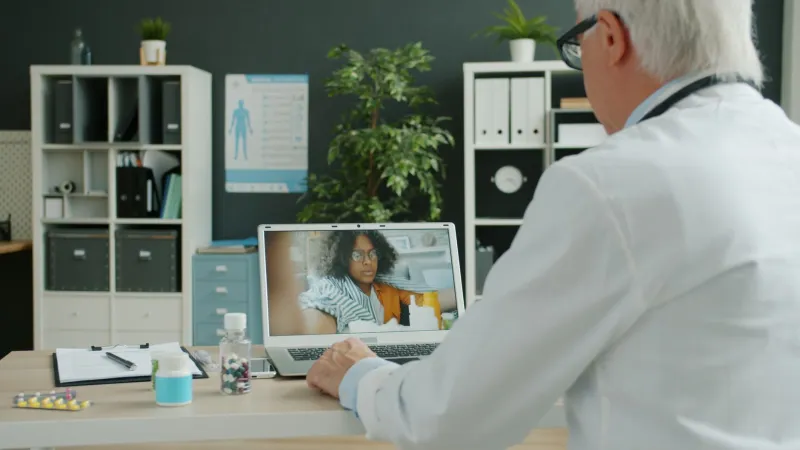
There is a particular kind of silence that follows a telemedicine consultation gone sideways. A patient logs off feeling reassured. A prescription is sent to the pharmacy. Days later, something doesn't add up—a medication interaction nobody anticipated, a symptom that was never connected to a condition the patient hadn't thought to mention. The physician, working from an incomplete picture, made the best call available with the information provided. The gap wasn't in clinical competence. It was in the record.
At Doctor7 Online, licensed physicians conduct virtual consultations every day with patients across the United States. What those physicians consistently identify as their greatest clinical challenge isn't the absence of a stethoscope or the limitations of a video screen. It's the incomplete history—the detail left out because a patient assumed it was irrelevant, or because they were simply too embarrassed to bring it up.
Why the Medical History Carries More Weight in Telemedicine
In a traditional clinic setting, a physician gathers information through multiple channels simultaneously. They observe how a patient walks into the room, notice a tremor in the hands, pick up on the faint smell of cigarette smoke, or register the hesitation before a particular question is answered. These ambient signals often prompt follow-up questions that surface information a patient never intended to volunteer.
In a virtual environment, those passive cues largely disappear. The physician is working from what the patient explicitly communicates, supplemented by any records transferred in advance. This shift places the diagnostic process in a fundamentally different position—one that is more dependent on the patient as an accurate, thorough narrator of their own health story.
This isn't a flaw in telemedicine. It's a structural reality that patients need to understand. A virtual physician can be exceptionally skilled, but their clinical reasoning is only as strong as the foundation it rests on.
The Details Patients Most Often Leave Out—and Why They Matter
Clinicians who practice telemedicine report a consistent pattern in the information patients omit. The categories tend to cluster around a few sensitive areas:
Substance use. Alcohol consumption, recreational drug use, and tobacco habits are frequently underreported or not reported at all. Yet these details directly affect medication safety, dosing decisions, and the interpretation of symptoms. A patient who drinks heavily and is prescribed a common pain reliever, for instance, faces a liver risk their physician cannot account for without that information.
Sexual and reproductive health. Patients often avoid disclosing sexual history, number of partners, contraceptive use, or symptoms in the genital region. In a virtual visit, where there is no nurse in the room and no physical exam imminent, some patients feel the topic is easier to sidestep. But these details bear on diagnoses ranging from urinary tract infections to hormonal imbalances to sexually transmitted infections.
Mental health history. Depression, anxiety, prior psychiatric hospitalizations, and current psychotropic medications are routinely absent from what patients share during a first virtual consultation. Because mental health conditions interact with a wide range of physical symptoms and medications, their omission can send a diagnostic workup in the wrong direction entirely.
Supplements and over-the-counter medications. Many patients don't think to mention that they take fish oil, melatonin, herbal supplements, or ibuprofen regularly because these items don't require a prescription. In reality, several common supplements interact meaningfully with prescription drugs. St. John's Wort, for example, can reduce the effectiveness of birth control pills and certain antidepressants.
Family medical history. Patients often focus exclusively on their current complaint and forget that a parent's history of heart disease or a sibling's autoimmune condition may be clinically relevant to what they're experiencing today.
Real Consequences of Incomplete Disclosure
The effects of omitted information are not theoretical. Consider a patient who schedules a telemedicine visit for persistent fatigue and receives a recommendation to address sleep hygiene and stress. What the physician didn't know—because the patient didn't mention it—was that the patient had been taking a high-dose biotin supplement for hair growth. Biotin at elevated levels is known to interfere with thyroid lab results, potentially masking hypothyroidism. The fatigue continued. The real diagnosis was delayed.
In another scenario, a patient sought treatment for anxiety and was prescribed a low-dose SSRI. They hadn't disclosed that they were already taking a migraine medication containing a serotonin-affecting compound. The combination carried a risk of serotonin syndrome—a potentially serious condition—that no one caught until the patient reported alarming symptoms.
Neither physician failed in their duty. Both were working from the information available. The gap was upstream, in the consultation itself.
Overcoming the Hesitation to Disclose
Shame and embarrassment are not small obstacles. They are deeply human responses, shaped by years of social conditioning around what is considered private, improper, or stigmatized. A patient who has never discussed their alcohol use with a family doctor of fifteen years is unlikely to volunteer it spontaneously to a physician they are meeting for the first time through a screen.
But there are practical ways to lower that barrier.
Prepare before you log in. Treat your medical history as a document, not a memory exercise. Before your appointment at Doctor7 Online, write down every medication—prescription, over-the-counter, and supplement—you take with any regularity. Note your alcohol and tobacco use honestly. Include any mental health diagnoses or treatments, past or present. This preparation removes the pressure of recall in the moment and makes disclosure feel more like reviewing a list than confessing a secret.
Understand the purpose of confidentiality. Your virtual physician is bound by the same HIPAA protections that govern any licensed healthcare provider in the United States. What you share stays within your clinical record. It is not shared with employers, family members, or insurers without your authorization. Knowing this may make sensitive disclosures feel less fraught.
Reframe embarrassment as a clinical risk. The information you're reluctant to share is often precisely the information most likely to affect your care. Approaching disclosure as a clinical act rather than a personal confession can shift the emotional weight of it.
Use the secure messaging feature. Some patients find it easier to type sensitive information than to say it aloud. Many telemedicine platforms, including Doctor7 Online, offer secure messaging between patients and providers. If you find a particular detail difficult to raise verbally, consider sending it ahead of your appointment.
What to Document Before Your Appointment
A brief pre-visit checklist can significantly improve the quality of your virtual consultation:
- Current medications: Include dosages and how long you've been taking them
- Supplements and vitamins: Note the brand and dose if possible
- Allergies: Medication, food, and environmental
- Chronic conditions: Even those you consider well-managed
- Surgical and hospitalization history: Dates and procedures
- Family history: First-degree relatives and their major diagnoses
- Lifestyle factors: Tobacco, alcohol, exercise habits, diet changes
- Mental health history: Diagnoses, prior medications, current providers
- Recent lab work or imaging: Upload results if available
This isn't bureaucratic paperwork. It's the clinical foundation your physician will build on.
The Standard of Care Doesn't Change Because the Setting Does
A licensed physician practicing telemedicine through Doctor7 Online operates under the same standard of care as any physician you would see in person. That standard requires clinical judgment, ethical practice, and evidence-based decision-making. But it also requires information—accurate, complete, and candid information from the patient.
The virtual environment has removed many of the traditional barriers to accessing care: distance, wait times, transportation, scheduling conflicts. What it cannot remove is the responsibility that comes with being a patient. That responsibility includes telling your physician the truth—all of it, even the parts that feel awkward to put into words.
Your physician isn't there to judge you. They're there to help you. But they can only do that with the full picture.