When Logging On Means Tuning In: How Virtual Consultations Are Producing Sharper, More Honest Patient Histories
There is a quiet irony at the center of modern medicine: the very format many people assume delivers inferior care may, in certain measurable ways, deliver more accurate information than the traditional clinic visit. Online consultations — the kind you schedule from your kitchen table, your lunch break, or a quiet room at the end of a long day — are increasingly producing patient histories that are more complete, more precise, and more clinically useful than those gathered in the rushed, high-pressure environment of a conventional waiting room.
This is not a marketing claim. It is an observable pattern, grounded in the psychology of how people communicate when they feel in control of their environment.
The Problem With the Exam Room
Anyone who has ever sat on a paper-covered table in a fluorescent-lit exam room knows the sensation: the moment the physician walks in, half of what you intended to say evaporates. The symptom you carefully rehearsed on the drive over suddenly feels trivial. The timeline you constructed — when the pain started, what makes it worse, whether it comes and goes — blurs under the mild social pressure of a time-limited appointment.
This phenomenon is well-documented. Patients in traditional clinical settings frequently underreport symptoms, abbreviate their histories, and defer to the physician's lead rather than offering the full picture. Studies on physician-patient communication have consistently found that patients are often interrupted within seconds of beginning to describe their chief complaint — and that the interruption meaningfully shapes what information gets recorded.
The result is a medical record that reflects a negotiated summary of your health, not necessarily the truth of it.
What Changes When the Visit Is Virtual
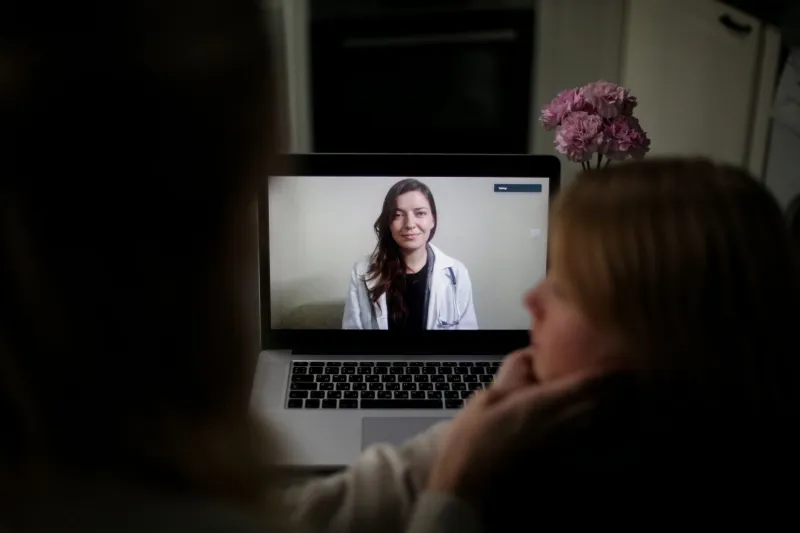
When a patient logs into a virtual consultation through a platform like Doctor7 Online, the dynamic shifts in several important ways.
First, the patient is on their own ground. Home environments — or wherever the patient chooses to connect — tend to reduce the ambient anxiety that clinical settings produce. This matters clinically. Anxiety suppresses recall and narrows focus. A patient who is less anxious is, almost by definition, a better historian.
Second, many patients arrive at virtual appointments having written things down. Because scheduling an online visit often involves completing intake forms, listing current medications, and describing symptoms in advance, patients are prompted to think carefully before the conversation begins. That preparatory effort produces a more organized, comprehensive account of what is actually happening in their bodies.
Third, the absence of a physical waiting room eliminates the social comparison and performance anxiety that can subtly distort what patients choose to disclose. There is no one in the next chair, no receptionist listening, no sense of being observed. Patients in virtual settings report feeling more comfortable raising sensitive topics — mental health concerns, sexual health questions, substance use, or symptoms they fear sound trivial — than they do in person.
The Physician's Perspective
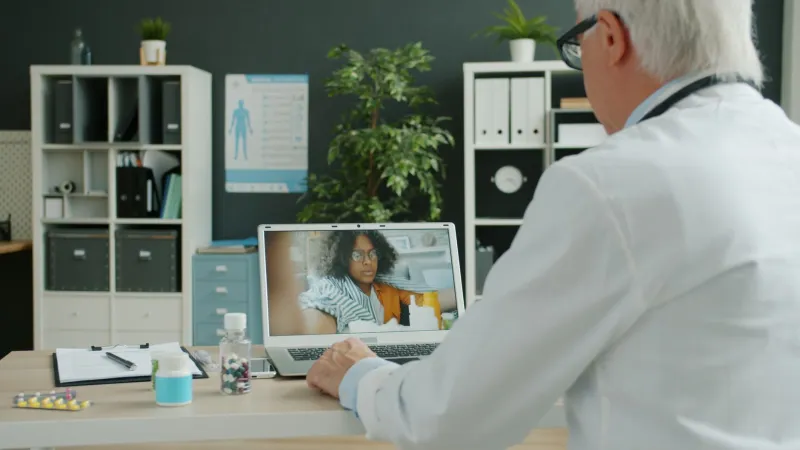
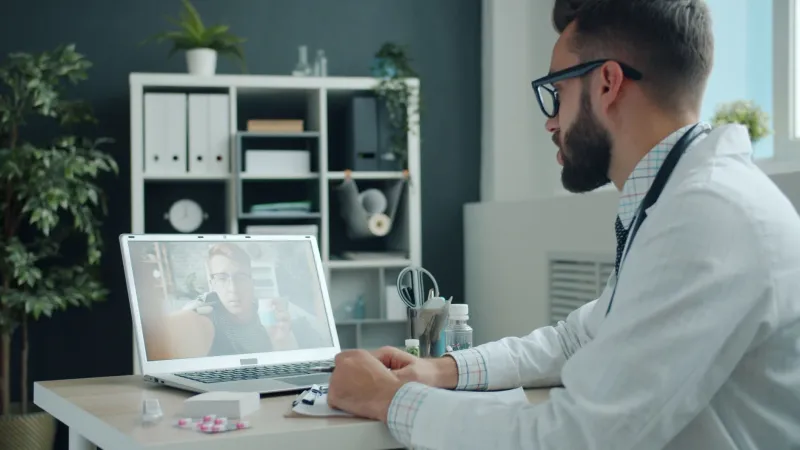
Licensed physicians who conduct virtual consultations frequently note that patients come prepared in ways that accelerate the diagnostic process. When a patient can say, with confidence, that a symptom began on a specific date, intensifies after certain foods, and is accompanied by a secondary symptom they noticed only because they had time to reflect — that is clinically rich information.
The structured intake process that precedes most virtual visits also means that physicians arrive at the consultation already holding a baseline picture of the patient's reported history. Rather than spending the first several minutes of a limited appointment gathering foundational information, the physician can move more quickly into clarifying questions, differential reasoning, and clinical judgment.
This does not mean virtual care replaces the physical examination. There are conditions that require hands-on assessment, laboratory work, or imaging that no screen can replicate. Responsible telemedicine platforms are transparent about those boundaries. But for the broad category of conditions that are diagnosed primarily through history — a category that encompasses a significant portion of primary care — the quality of the patient's account is the quality of the diagnosis. And that account, it turns out, is often better when the patient is sitting at home.
Misconceptions Worth Addressing
The assumption that remote care is inherently less thorough than in-person care persists in part because it conflates the medium with the message. The screen itself is not the diagnostic tool. The physician's clinical reasoning is. What the screen does — when the platform is well-designed and the consultation is properly structured — is create conditions in which both the physician and the patient can communicate more effectively.
It is also worth noting that the physicians practicing through telemedicine platforms are fully licensed, subject to the same standards of care, and often trained in the same institutions as those practicing in traditional settings. The format is different. The credential is not.
Another misconception is that virtual visits are inherently rushed. In fact, many patients report that their online consultations feel less rushed than in-person appointments, precisely because the logistical overhead — travel time, waiting, checking in, being escorted to an exam room — has been removed. The scheduled time is spent on the conversation itself.
Getting the Most From Your Virtual Visit
Understanding the structural advantages of virtual care also reveals how to maximize them. Before your next online consultation, consider the following:
- Write a symptom timeline. Note when the symptom began, whether it has changed, and what seems to affect it. This simple act of documentation often surfaces patterns that patients had not consciously registered.
- List all medications, supplements, and recent changes. This includes over-the-counter products, vitamins, and anything you have started or stopped in the past several months.
- Identify the question you most want answered. Virtual consultations are most productive when patients arrive with a clear primary concern, even if secondary concerns are also worth raising.
- Choose your environment deliberately. A quiet, private setting reduces distraction and allows you to speak freely, particularly if your concerns touch on sensitive topics.
The Deeper Point
There is something worth sitting with in the observation that a format designed for convenience might also be producing more honest, more complete, and more clinically useful conversations. It suggests that the barriers between patients and accurate self-reporting are not purely medical — they are environmental, psychological, and structural. When those barriers are reduced, patients often know more about their own bodies than they realized.
Virtual care, at its best, is not a lesser version of the clinic visit. It is a different kind of encounter — one that, for many patients and many conditions, creates the conditions for a more genuine exchange. And in medicine, the quality of the exchange has always been the foundation of everything that follows.