When the Screen Is Enough — and When It Isn't: A Physician's Guide to Telemedicine Boundaries
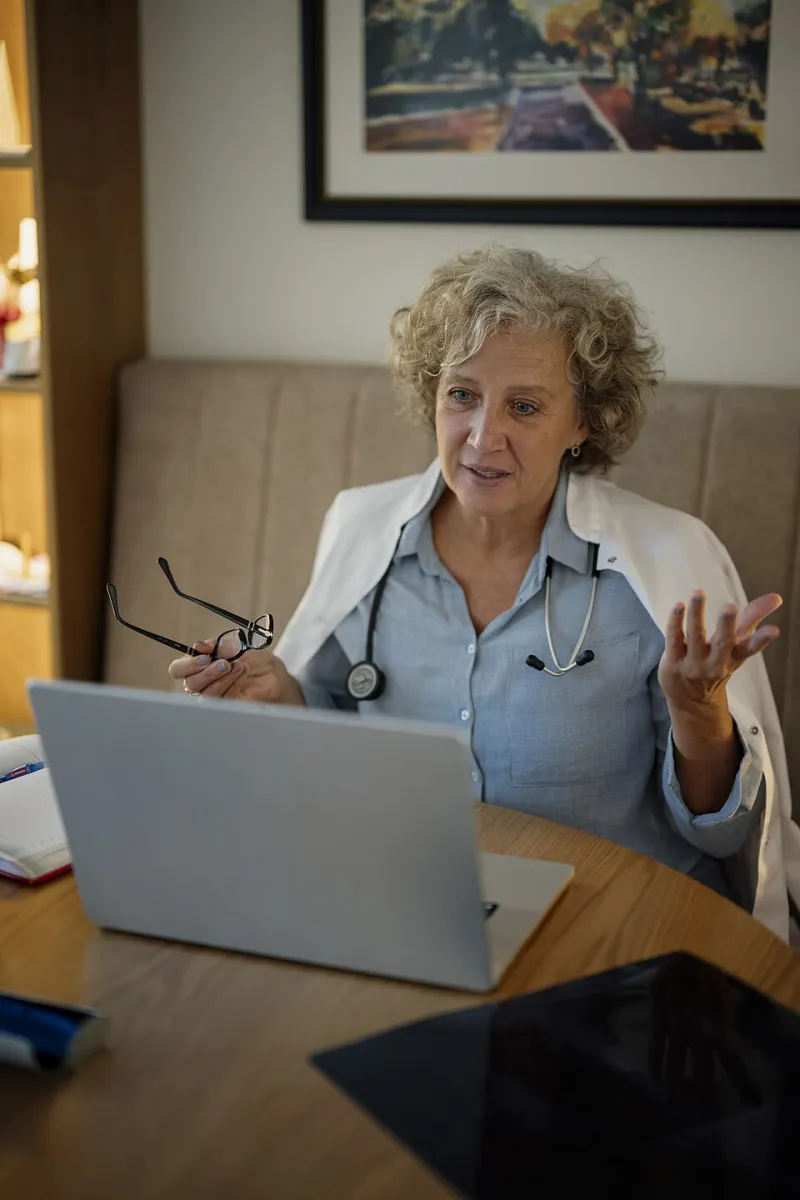
Photo: Shixart1985, CC BY 2.0, via Wikimedia Commons
The convenience of logging into a virtual consultation from your living room is undeniable. No waiting rooms, no scheduling delays that stretch into weeks, no time lost commuting across town. For tens of millions of Americans, telemedicine has become the first — and sometimes only — point of contact with a licensed physician. But a question persists among patients and healthcare professionals alike: where does the screen fall short?
The answer is more nuanced than a simple list of conditions. It depends on clinical context, patient history, available technology, and the judgment of an experienced physician who knows when remote assessment has reached its limits.
What Telemedicine Does Exceptionally Well
Before examining the boundaries, it is worth acknowledging the considerable clinical ground that telemedicine covers with genuine effectiveness.
Conditions that are well-documented, symptomatically clear, and require verbal history-taking rather than physical manipulation are strong candidates for remote management. These include urinary tract infections in otherwise healthy adults, seasonal allergies, mild skin rashes that photograph clearly, anxiety and depression follow-ups, prescription renewals for stable chronic conditions, and acute respiratory illnesses like the common cold or mild sinusitis.
Mental health care, in particular, has thrived in the telemedicine environment. Research published in peer-reviewed journals consistently shows that therapy and psychiatric consultations conducted via video are clinically comparable to in-person sessions for many patients. The reduced stigma of seeking care from home, combined with improved access, has led to meaningful treatment engagement among populations that historically avoided traditional clinical settings.
For patients managing long-term conditions such as hypertension, type 2 diabetes, or hypothyroidism, telemedicine follow-up appointments — combined with home monitoring devices like blood pressure cuffs or continuous glucose monitors — provide physicians with actionable data without requiring a clinic visit every time.
The Clinical Limitations That Matter
Honesty about what a video screen cannot replicate is central to responsible telemedicine practice. A licensed physician conducting a remote consultation does not have access to the full diagnostic toolkit available in a clinical setting.
Physical examination remains one of the most powerful instruments in medicine. Palpating an abdomen for tenderness, listening to lung sounds with a stethoscope, assessing lymph node swelling by touch, examining the interior of an ear canal, or evaluating a joint's range of motion — these assessments simply cannot be performed remotely with current consumer technology. When a condition's diagnosis or severity depends on physical findings, telemedicine alone is insufficient.
Consider a patient reporting chest pain. While a physician can gather a detailed history remotely — asking about the character of the pain, associated symptoms, personal and family cardiac history — the absence of an electrocardiogram, auscultation of heart sounds, and direct physical assessment means that any evaluation carries inherent limitations. In such cases, a responsible telemedicine physician will not attempt to rule out serious pathology from behind a screen. Instead, they will direct the patient to emergency services or an urgent care facility immediately.
Similarly, pediatric ear infections, suspected fractures, acute abdominal pain, new neurological symptoms such as sudden weakness or speech changes, and wounds requiring closure all fall outside the appropriate scope of a remote-only encounter.
How Physicians Make the Call
At Doctor7 Online, licensed physicians are trained to apply a consistent clinical decision framework during every consultation. The central question is not simply "Can I treat this online?" but rather "Can I safely and responsibly assess and manage this condition without physical examination findings?"
Several factors inform that judgment:
Symptom acuity and trajectory. A rash that has been present for three days and is not spreading is a different clinical picture from one that appeared hours ago and is rapidly progressing. The latter demands escalation.
Patient-reported vital signs and home monitoring data. Patients who can share real-time blood pressure readings, pulse oximetry values, or blood glucose levels provide their physician with objective data that meaningfully improves remote assessment.
Photographic and video documentation. High-quality images of skin conditions, visible swelling, or observable symptoms extend what a physician can evaluate remotely — though they do not replace examination.
Patient history and clinical context. A 35-year-old with a prior documented history of uncomplicated UTIs presenting with classic symptoms presents a different risk profile than an elderly patient with the same complaint and a history of recurrent kidney infections.
The Hybrid Model: Where Telemedicine and In-Person Care Converge
The most effective care model for many patients is not purely remote or purely in-person — it is hybrid. Telemedicine serves as an intelligent triage layer, ensuring that patients who need to be seen urgently are identified quickly, while those who can be safely managed remotely receive prompt attention without unnecessary clinic visits.
A patient might begin with a Doctor7 Online consultation, receive a working diagnosis and initial treatment, and be referred for a follow-up lab draw or imaging study at a local facility. The results are then reviewed during a subsequent telemedicine visit, completing a care loop that is both convenient and clinically thorough.
This model is particularly valuable for patients in suburban and urban areas who have access to diagnostic facilities but struggle to find appointment availability with their primary care physician. Telemedicine fills the gap, coordinates the care, and reduces the burden on already strained clinic schedules.
What Patients Should Communicate Clearly
The quality of a telemedicine consultation is directly tied to the quality of information a patient provides. Physicians cannot examine what they cannot see or hear described in clinical detail. Patients who arrive at a virtual visit prepared — with a clear account of symptom onset, duration, severity, and any home treatments already attempted — enable their physician to make better-informed decisions.
If you are uncertain whether your concern is appropriate for a telemedicine visit, that uncertainty itself is worth raising during the consultation. A physician who determines that your condition warrants in-person evaluation will tell you so directly — and that guidance is itself a valuable clinical service.
Telemedicine is not a compromise on care. When applied within its appropriate clinical boundaries, it is a precise, effective, and accessible tool. Understanding where those boundaries lie is not a limitation on the promise of remote healthcare — it is what makes that promise trustworthy.