No Clinic for Miles: How Online Physicians Are Rewriting Healthcare Access in Rural America
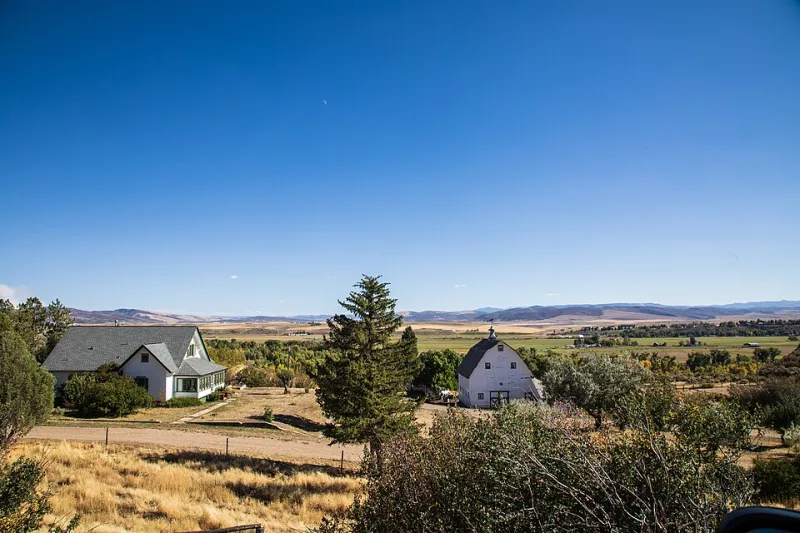
Photo: Rdg01, CC BY-SA 4.0, via Wikimedia Commons
In Haskell County, Kansas, the population hovers around 3,500 people spread across nearly 600 square miles of high plains. The county has no hospital. For years, it has struggled to retain even a single primary care physician. Residents requiring anything beyond the most basic care have faced a choice familiar to rural Americans across the country: drive more than an hour each way, delay treatment, or go without.
Haskell County is not an outlier. According to the National Rural Health Association, more than 60 million Americans live in rural areas, and the majority of those communities face documented shortages of primary care providers. The Health Resources and Services Administration designates thousands of rural zip codes as Health Professional Shortage Areas — a bureaucratic label that translates, in human terms, to neighbors going undiagnosed, prescriptions going unfilled, and preventable conditions becoming serious ones.
Telemedicine has emerged as the most scalable answer to a problem that traditional healthcare infrastructure has failed to solve.
The Scale of the Shortage
The physician shortage in rural America is not a new phenomenon, but its trajectory is worsening. The Association of American Medical Colleges projects a national shortfall of between 37,000 and 124,000 physicians by 2034. Rural communities will bear a disproportionate share of that deficit. Medical school graduates overwhelmingly choose to practice in metropolitan areas, where salaries are competitive, professional networks are dense, and spousal employment opportunities are plentiful.
The result is a compounding inequity. Rural patients are, on average, older, poorer, and more likely to carry chronic conditions than their urban counterparts — precisely the population that requires the most consistent access to medical care. Yet they are the least likely to have it.
When the closest urgent care center is 45 miles away and a specialist referral means a half-day journey, patients adapt by avoiding care altogether. Emergency departments become default primary care settings. Conditions that are inexpensive to treat early become costly to manage late.
A Digital Bridge Across the Distance
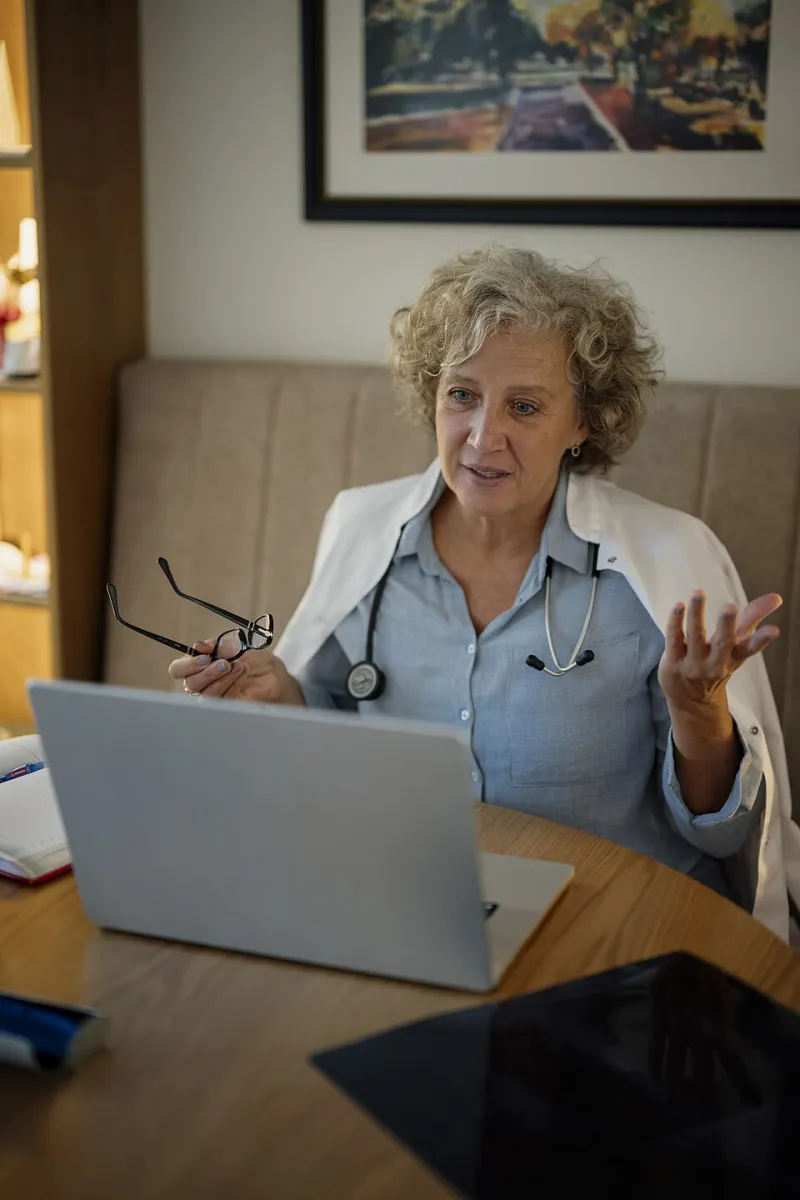
Telemedicine does not require a physician to relocate to a rural county. It requires a licensed doctor, a secure video platform, and a patient with a device and a connection. That deceptively simple formula has opened meaningful access for communities that have spent decades on the margins of the American healthcare system.
Platforms like Doctor7 Online connect patients with board-certified physicians for same-day consultations, prescription services, and ongoing care management — without regard to the patient's geographic location. A farmworker in the Mississippi Delta, a retired teacher in rural Appalachia, and a rancher in eastern Montana can each access a licensed physician within hours of requesting an appointment.
The breadth of conditions addressable through telemedicine — from hypertension management and diabetes follow-up to mental health treatment, dermatology, and urgent care for common illnesses — means that rural patients are not receiving a reduced version of healthcare. They are receiving clinically appropriate care delivered through a different channel.
The Regulatory Architecture That Makes It Possible
For much of telemedicine's early history, state-by-state licensure requirements created significant barriers to interstate care. A physician licensed in New York could not legally treat a patient in Tennessee without obtaining a separate Tennessee medical license — a process that is both expensive and time-consuming.
The Interstate Medical Licensure Compact (IMLC) has substantially changed that calculus. Now active in the majority of U.S. states, the Compact allows eligible physicians to obtain expedited licensure in multiple member states through a streamlined application process. For telemedicine providers, this means that a single physician can legally serve patients across dozens of states, dramatically expanding the geographic reach of remote care.
The COVID-19 pandemic accelerated additional regulatory flexibility. Emergency waivers that relaxed prescribing restrictions and telehealth reimbursement rules introduced millions of Americans — including rural seniors on Medicare — to remote care for the first time. While some of those emergency provisions have since been modified, the policy conversation around permanent telehealth expansion has shifted considerably, with bipartisan congressional support for maintaining expanded access.
Persistent Barriers: Broadband and Coverage Gaps
Acknowledging telemedicine's promise requires equal candor about the obstacles that remain. Chief among them is broadband access.
The Federal Communications Commission estimates that approximately 21 million Americans lack access to high-speed internet — and rural advocates argue the true figure is significantly higher. A video consultation requires a stable connection that many rural households simply do not have. Audio-only telehealth visits, which have been shown to be effective for a range of conditions, offer a partial solution, but they are not universally reimbursed by private insurers.
Insurance coverage disparities represent a second structural challenge. While Medicare and Medicaid have expanded telehealth reimbursement, coverage policies vary considerably across commercial insurance plans. Patients in rural areas — who are more likely to be uninsured or underinsured — may find that their plan does not cover virtual visits at the same rate as in-person ones, creating a financial disincentive to seek remote care.
Doctor7 Online maintains transparent pricing for patients navigating these coverage gaps, ensuring that cost does not become another barrier for individuals who are already contending with geographic isolation.
Voices from the Rural Patient Experience
The data points to systemic failure. The human stories behind that data are what make the urgency concrete.
Consider the experience of a 58-year-old woman in rural West Virginia managing both Type 2 diabetes and high blood pressure. Her nearest primary care physician retired two years ago, and the replacement has a new patient waiting list stretching several months. Through a telemedicine platform, she now has quarterly virtual check-ins with a licensed internist who reviews her home glucose and blood pressure logs, adjusts her medications as needed, and orders lab work at a facility twenty minutes from her home — far closer than any physician's office.
"I was just letting things go because I didn't have a way to deal with them," she described in a community health survey. "Now I actually have a doctor who knows my case."
That continuity of care — a physician who knows the patient's history, monitors trends over time, and is accessible between appointments — is precisely what rural communities have lacked for generations.
The Road Ahead
Telemedicine will not single-handedly resolve the structural inequities embedded in American healthcare. Rural communities also need investment in local health infrastructure, loan forgiveness programs to incentivize physician placement, and federal broadband expansion that closes the connectivity gap.
But as a tool for immediate, scalable impact, remote care has demonstrated results that are difficult to dismiss. Platforms operating at the intersection of clinical rigor and technological accessibility — connecting licensed physicians with patients regardless of where those patients happen to live — represent one of the most consequential developments in American healthcare access in decades.
For the patient in Haskell County with no clinic for miles, the physician on the other side of the screen is not a compromise. It is care, arriving at last.