Thirty Days That Decide Your Recovery: Why a Virtual Physician Visit Belongs on Every Post-Discharge Checklist
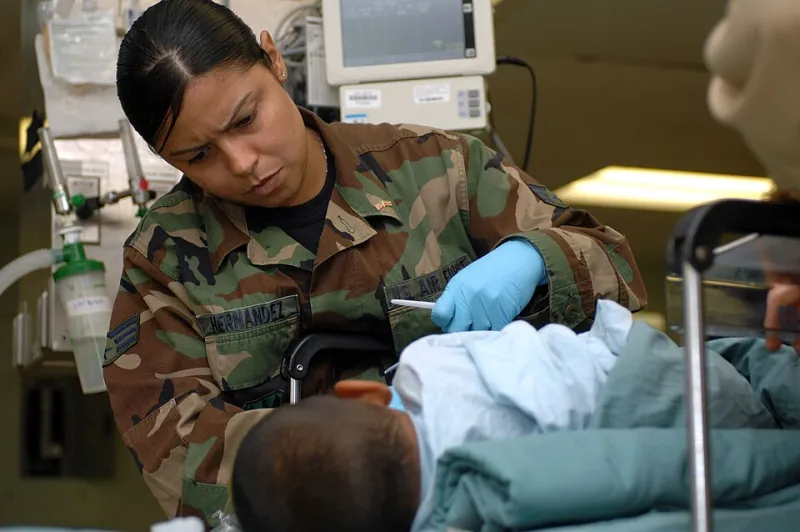
Photo: U.S. Navy photo by Mass Communication Specialist 2nd Class Elizabeth R. Allen, Public domain, via Wikimedia Commons
Leaving the hospital is supposed to feel like a finish line. In reality, it is the start of the most fragile stretch of a patient's recovery. Research consistently shows that nearly one in five Medicare patients returns to the hospital within thirty days of discharge, and many of those readmissions trace back to problems that were preventable: a misunderstood medication instruction, a symptom dismissed as normal, a follow-up appointment that never quite materialized.
For American patients juggling ride schedules, work obligations, and thick packets of discharge paperwork, the traditional follow-up visit can take weeks to arrange. A virtual consultation with a licensed physician compresses that timeline—often to days or even hours—and may be the difference between a smooth recovery and a return trip through the emergency department.
Why the First Weeks After Discharge Are So Risky
Hospitals discharge patients earlier and sicker than they did a generation ago. That means recovery that once happened under clinical supervision now happens at kitchen tables, with patients and family members expected to interpret instructions written under time pressure.
Three problems dominate this window:
- Medication confusion. Hospital regimens frequently differ from the prescriptions a patient took before admission. Duplicate therapies, discontinued drugs that were never restarted, and dosing changes buried in fine print are common.
- Unrecognized warning signs. A low-grade fever, new swelling, or unusual fatigue can signal complications—but patients often don't know which symptoms warrant a phone call.
- Fragmented communication. The hospitalist who managed the stay rarely sees the patient again, and the primary care physician may not receive complete records before the first follow-up.
Each of these gaps is exactly the kind of thing a video consultation is built to catch.
What a Virtual Follow-Up Can Actually Accomplish
A post-discharge video visit is not a substitute for hands-on examination when one is genuinely needed. But for a substantial share of recovery questions, a licensed physician on a screen can do meaningful clinical work:
Reconciling the medication list. By having the patient hold each bottle up to the camera, a physician can verify doses, identify duplications, and flag interactions. Studies of telepharmacy-supported transitions of care show meaningful reductions in medication discrepancies when reconciliation happens early.
Triaging symptoms in real time. Is that calf soreness a muscle strain or a deep vein thrombosis warning? Is the incision healing normally or showing early signs of infection? A physician can visually inspect wounds, gauge a patient's breathing and color, and decide whether watchful waiting, a prescription adjustment, or an in-person exam is warranted.
Interpreting the paperwork. Discharge summaries are written in clinical shorthand. A virtual visit gives patients time to ask what the diagnoses actually mean, which restrictions still apply, and what the recovery timeline should look like.
Coordinating next steps. A physician can determine whether laboratory work, imaging, or a specialist referral is needed—and document it—so nothing falls through the cracks between hospital and home.
Timing the Visit: Sooner Is Better
The evidence on transitions of care points to a simple principle: the earlier the follow-up, the lower the readmission risk. Many health systems now aim for contact within 48 to 72 hours of discharge. Patients arranging care through a telemedicine platform should aim for a video visit within the first week, and sooner if the discharge involved heart failure, COPD, a major surgery, or significant medication changes.
A few practical steps make that first visit more productive:
- Gather the paperwork. Have the discharge summary, medication list, and any lab results within reach before logging on.
- Line up the pill bottles. Actual bottles, not a handwritten list, allow real-time reconciliation.
- Write down questions as they occur. In the days after discharge, uncertainty fades quickly; capturing questions as they arise preserves them for the visit.
- Enlist a family member if possible. A second set of ears on the call helps retain instructions, and relatives often notice changes patients miss in themselves.
- Know your insurance situation. Post-discharge telehealth visits are widely covered, but verifying coverage and any cost-sharing beforehand avoids surprise bills.
A Safety Net, Not a Substitute
Telemedicine's role in post-discharge care is best understood as a safety net stretched across the gap between hospital and home. It cannot replace wound care requiring hands-on attention, imaging, or emergency intervention—but it can answer the questions that keep patients awake at night, catch problems while they are still small, and route patients to the right level of care at the right time.
For patients and families navigating recovery, the message is straightforward: don't let the thirty days after discharge be silent ones. Scheduling a virtual follow-up early converts a vulnerable period into a monitored one—and gives recovery the professional attention it deserves, without ever leaving the living room.